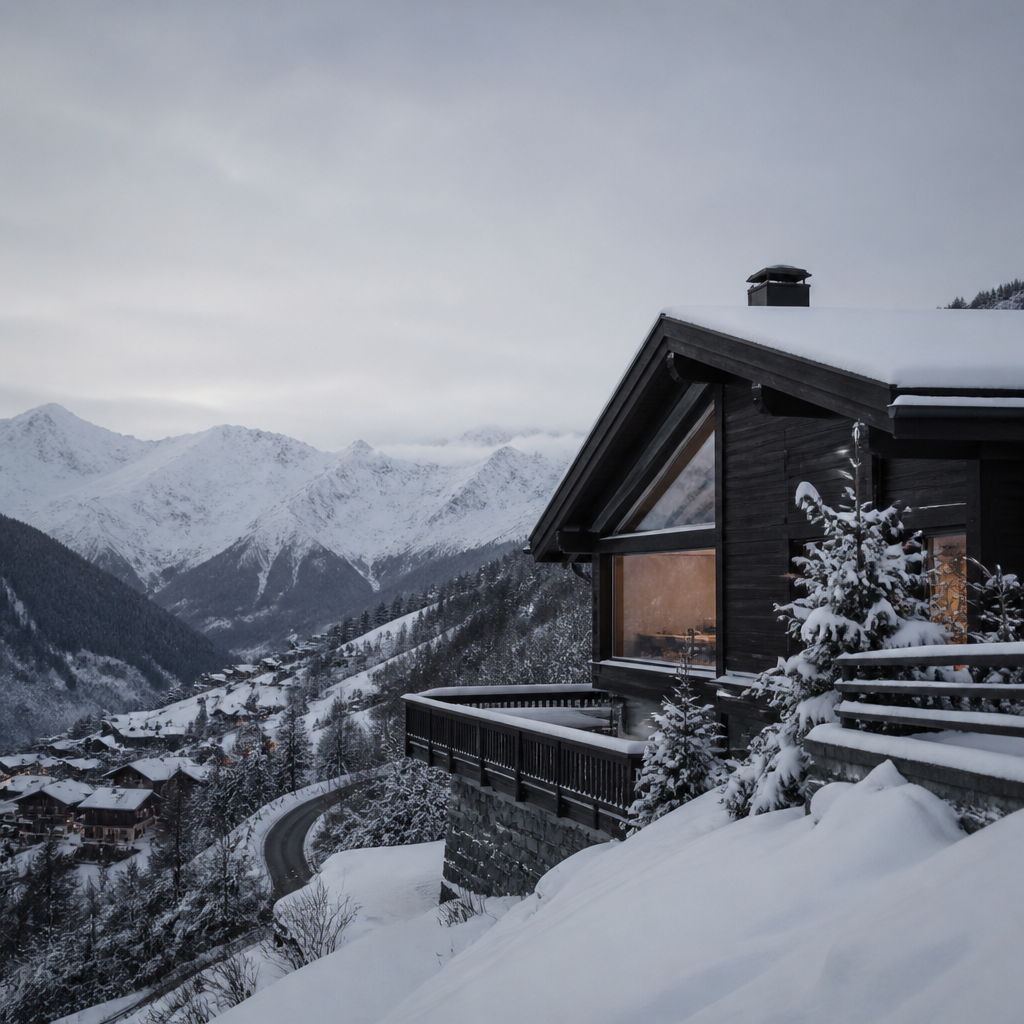
The Alpine market enters 2027 from a position of strength
Alpine property has moved beyond the dramatic post-pandemic surge, but the market entering 2027 remains structurally tight. Knight Frank’s 2026 Alpine Property Report records a 3.3% rise in its index in the year to June 2025 and a 23% increase over five years. Those figures cover prime markets rather than every home in every valley, yet they show why buyers waiting for a broad correction have often been disappointed. Scarce building land, restrictive planning, second-home controls and a limited stock of well-positioned chalets continue to support prices in established resorts.
The headline conceals important differences. Swiss resorts averaged 5% annual growth in the report, compared with 1.2% in France. Over five years, however, French prime markets recorded substantial cumulative gains. A useful 2027 strategy is therefore not to ask whether “the Alps” will rise, but which combination of access, altitude, village life, supply and buyer depth is not fully reflected in today’s price. That requires resort-by-resort and property-by-property analysis rather than a national forecast.
Why prime prices vary so widely
Prime asking prices can differ by tens of thousands of euros per square metre even between resorts sharing the same ski domain. Knight Frank’s report places Courchevel 1850 and Val d’Isère among the most expensive French markets, while its prime pricing chart shows Courchevel 1850 at approximately €33,200 per square metre. Buyers pay for more than pistes: international recognition, five-star hospitality, central scarcity, altitude, private aviation access and a deep pool of wealthy owners all influence the premium.
A price-per-square-metre table is a starting point, not a valuation. A chalet with an irreplaceable view, genuine ski access and protected surroundings can sit far above a resort average. Conversely, compromised light, a steep winter approach, road noise or a long lift transfer can justify a discount. New-build prices also include current construction standards and warranties that an older property may lack. Compare like with like, then add acquisition costs, renovation, service charges and annual management before judging value.
France: look beyond the most saturated names
The most famous French resorts remain attractive, but entry prices can make the investment case highly dependent on scarcity and long-term capital preservation. Buyers seeking more space or a less mature price point are increasingly looking at villages connected to major domains or positioned beside premium neighbours. Saint-Martin-de-Belleville is a clear example: it combines an authentic village with Three Valleys access, creating a different proposition from the higher, purpose-built stations while retaining a globally recognised ski network.
Chamonix offers another form of diversification. It is a year-round valley town with mountaineering, summer sport, international schools nearby and direct access from Geneva. It is not one compact ski-in/ski-out resort, so micro-location is critical, but its economic life extends beyond a single winter product. Les Gets, Morzine, Combloux and Saint-Gervais can also reward buyers who assess the exact lift connection, altitude and transport rather than buying the broad destination label.
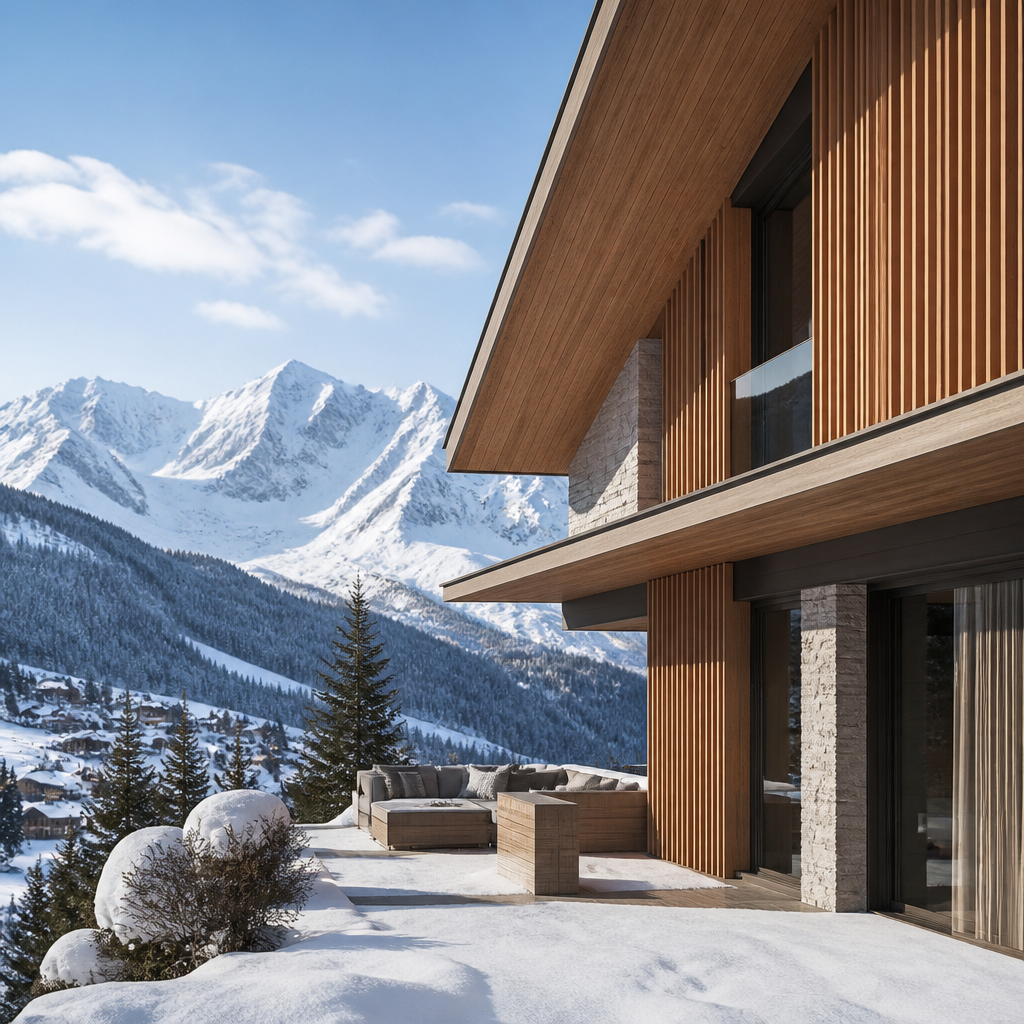
Chamonix and Les Gets as relative-value alternatives
Chamonix is often described as an alternative to Courchevel or Méribel, but the comparison needs care. The valley offers a real town, multiple ski sectors and exceptional high-mountain identity; it does not offer the same seamless linked-piste experience as the Three Valleys. That difference can be an advantage for owners prioritising year-round activity, weekend access from Geneva and an international resale audience. Central Chamonix, Les Praz, Argentière and Les Houches should be analysed as distinct submarkets.
Les Gets combines village character with the vast Portes du Soleil network and a strong family reputation. Its summer bike market broadens seasonal use, while proximity to Geneva supports shorter visits. Yet lower village altitude means buyers should study the elevation and orientation of the skiing they will actually use. In both destinations, “value” means receiving a stronger mix of utility, space and future buyer demand for the budget—not simply finding the lowest square-metre figure.
Megève and Combloux: established lifestyle versus emerging value
Megève remains one of the Alps’ most complete lifestyle markets. The historic centre, hospitality, restaurants, events and summer programme support demand beyond snow conditions. Its micro-locations—Rochebrune, Mont d’Arbois, Jaillet and the centre—carry different premiums according to lift access, privacy, sun and walkability. The best properties can be expensive because buyers are purchasing a mature four-season destination as much as a ski address.
Nearby Combloux offers a compelling relative-value story. It has a distinct village identity and celebrated Mont Blanc views, with access to local skiing and the wider Évasion Mont-Blanc area. Buyers may secure more space than in central Megève, but should not assume every chalet offers equivalent convenience. Test the winter drive, shuttle, parking and route to lifts. Combloux is strongest when valued for its own views, calmer rhythm and year-round use rather than marketed merely as “near Megève”.
Switzerland: stronger growth meets tighter buyer rules
Swiss resorts led the latest annual growth figures, supported by constrained supply, currency strength and demand for established destinations such as St Moritz, Gstaad, Verbier and Zermatt. For a foreign buyer, however, price performance is only half the story. The Lex Koller framework restricts property acquisition by persons abroad, and eligibility can depend on nationality, residence status, property designation, floor area and cantonal quotas.
On 15 April 2026, the Swiss Federal Council opened consultation on proposals to tighten the rules further. Commentary from Deloitte, PwC and Swiss property specialists notes potential permit requirements for additional categories of non-EU/non-EFTA buyers and restrictions involving holiday homes and investment structures. Consultation is not enacted law, and the existing rules continue until legislation changes. The practical response is not panic buying; it is to obtain Swiss legal advice before viewing and confirm that the intended buyer and property qualify.
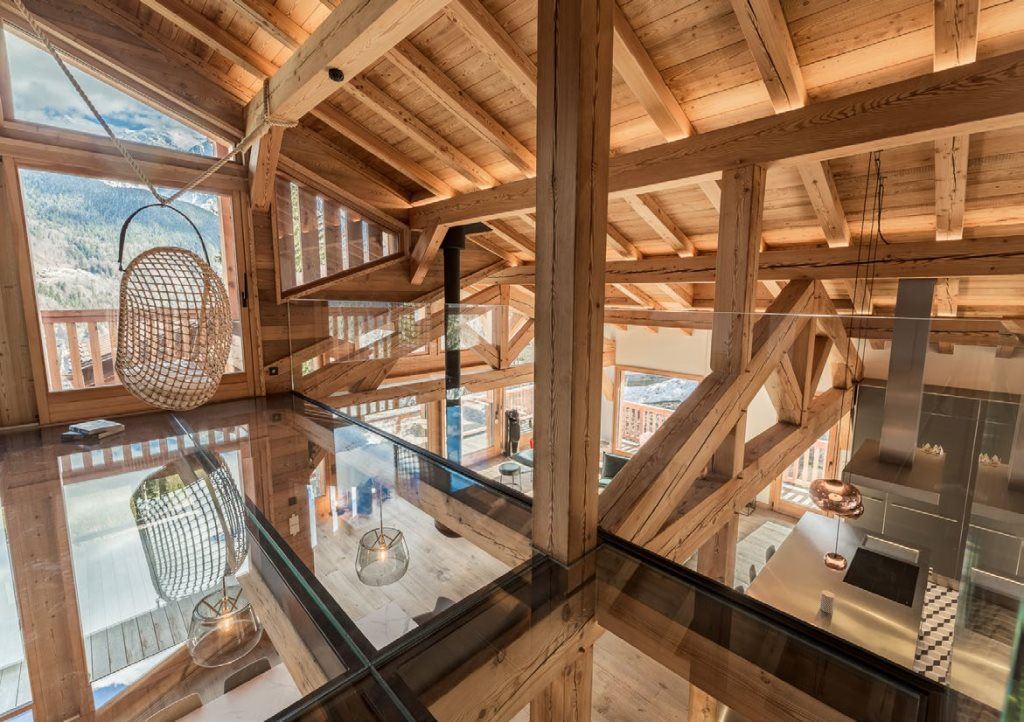
Verbier: scarcity, global demand and property-level discipline
Verbier illustrates why Swiss prices can remain resilient. The resort combines high terrain, an international brand, a lively village and limited qualifying second-home stock. Buyers compete for specific attributes—sun, views, quiet, walkability and lift access—that rarely appear together. A central apartment and a private hillside chalet serve different ownership patterns, so resort averages can be particularly misleading.
Scarcity should not excuse weak due diligence. Check legal eligibility, second-home status, renovation permissions, building management, winter road access and rental rights. Model operating costs in Swiss francs and distinguish peak-week rental rates from a realistic annual net figure. For buyers who qualify and value an internationally liquid address, Verbier can remain compelling in 2027; for others, a French resort may offer simpler acquisition and more space.
Cortina after the Milan Cortina 2026 Olympics
Cortina d’Ampezzo entered 2026 with an unusually visible infrastructure story. Olympic investment accelerated transport, sporting and hospitality upgrades while focusing international attention on a market with very limited supply. Knight Frank cited prime prices of approximately €19,500–€21,500 per square metre and reported strong annual appreciation ahead of the Games. Broader portal asking-price data is lower because it includes a wider property mix, demonstrating the importance of defining “prime”.
The post-event question is whether infrastructure and global awareness support demand after the Olympic spotlight moves on. Cortina has advantages independent of the Games: Dolomite scenery, Italian cultural depth, a wealthy domestic audience and established summer tourism. Buyers should nevertheless avoid paying solely for an “Olympic effect”. Verify which projects are complete, judge access and parking around the exact property, and compare renovation restrictions in historic buildings with the specification of limited new stock.
Where might prices rise next?
No one can identify the next outperformer with certainty, but buyers can look for repeatable signals. These include a credible lift upgrade, improved rail or road access, shortage of quality stock, restrictive planning, year-round population, new high-quality hospitality and a price gap to a neighbouring premium resort. The gap matters only when the cheaper location offers a genuinely comparable use case; a remote village does not become Courchevel simply because it shares a postcode region.
For 2027, connected villages around major ski domains deserve attention: Saint-Martin-de-Belleville in the Three Valleys, selected Portes du Soleil villages, and Combloux or Saint-Gervais around Évasion Mont-Blanc. Chamonix remains a distinctive year-round market rather than an emerging secret. In Italy, Cortina’s post-Olympic evolution will be closely watched. The strongest opportunity is usually a very good property in a sound resort, not a compromised property bought only because a town appears on a growth list.
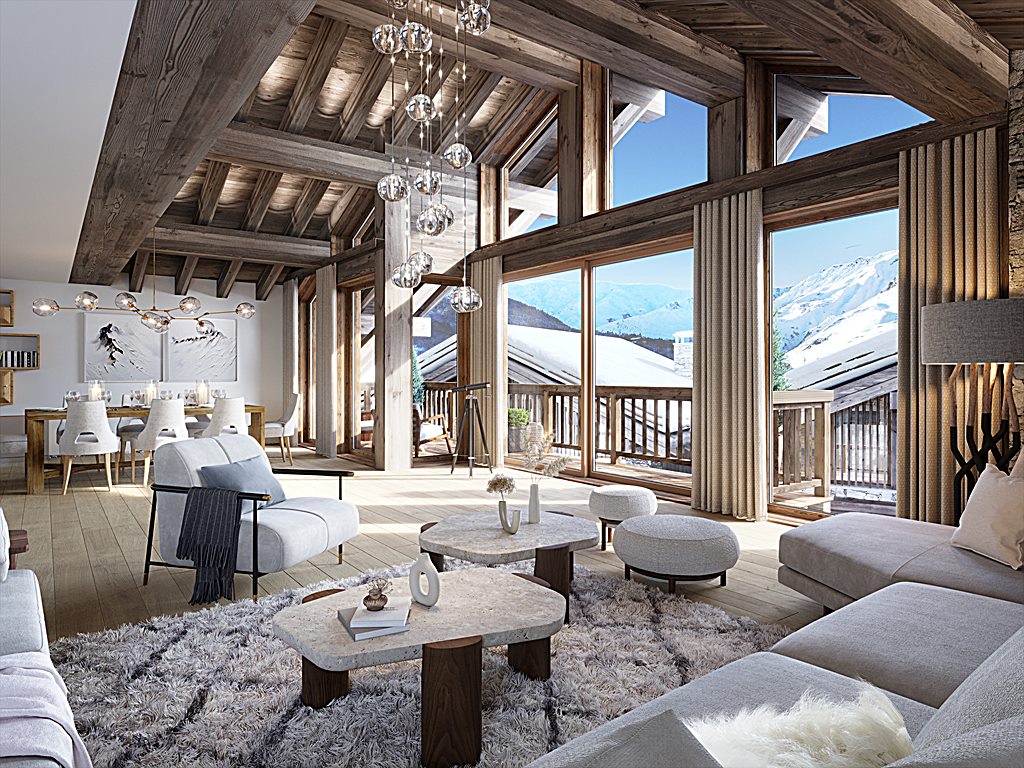
A disciplined 2027 buying strategy
Create a scorecard before booking viewings. Weight access, ski resilience, village life, summer use, rental flexibility, purchase complexity and total annual cost. Compare recent completed sales where available rather than relying only on asking prices. For new builds, review developer strength, guarantees, specification and completion risk. For resales, commission mountain-appropriate surveys and investigate energy performance, roof, drainage, retaining structures and co-ownership records.
Finally, separate investment return from lifestyle return. A chalet can be an excellent purchase because it creates years of family use, even if rental yield is modest. Equally, a high gross rental forecast can disappear after management, utilities, tax, maintenance and owner weeks. The best Alpine ski property investment for 2027 is affordable through ordinary seasons, legally usable as intended and attractive to the next buyer for reasons that cannot be easily reproduced.
Questions to ask before making an offer
Ask the selling agent for the evidence behind every market claim. Which comparable properties completed recently, rather than merely coming to market? How long did they take to sell, what condition were they in and how did their position differ? Request energy reports, planning documents, rental permissions and service-charge records early. In a new development, establish which views can be protected and which neighbouring plots may still be built. In a resale chalet, identify immediate capital work and who can deliver it in a market where reliable alpine contractors are often busy.
A second set of questions should test the ownership plan. Who will inspect the property between visits, clear snow, manage heating and respond to water or alarm issues? What annual cost remains if the chalet is not rented at all? How quickly can the family reach it during a normal weekend, not an ideal transfer? If those answers remain comfortable at a less favourable exchange rate and with a maintenance contingency, the buyer is assessing a durable asset rather than chasing a chart. Market growth matters, but usability and financial resilience are what allow an owner to hold through quieter cycles.
Continue your research with our ski chalets for sale in the Alps, then explore the ski chalet buying guide.
For authoritative information on eligibility and the rules affecting international purchasers, consult the Swiss government guidance for foreign property buyers .